How I Mastered Credit Card Fund Management Without Losing Sleep
Managing money with credit cards used to stress me out—endless balances, hidden traps, and the constant fear of overspending. But over time, I discovered smarter ways to use credit cards as tools for effective fund management instead of financial liabilities. It wasn’t magic, just strategy. In this article, I’ll walk you through how to take control, protect your cash flow, and build better financial habits—all while staying safe and strategic. The transformation didn’t happen overnight, but with consistent practices and a shift in perspective, credit cards became part of a reliable system rather than a source of anxiety. This is not about getting rich quickly or chasing rewards at any cost. It’s about creating stability, avoiding common pitfalls, and using what’s already in your wallet to support long-term financial health. If you’ve ever felt uneasy about your credit card use, this guide is designed to help you turn uncertainty into confidence.
The Hidden Power of Credit Cards in Personal Finance
Credit cards are often portrayed as dangerous tools that lead to debt and financial instability. While misuse can certainly result in serious consequences, the reality is that credit cards themselves are neutral instruments—their impact depends entirely on how they’re used. When approached with discipline and clarity, credit cards can serve as powerful allies in personal finance. They offer immediate transaction records, built-in spending controls, and opportunities to earn value through rewards programs. More importantly, they provide a clear window into daily financial behavior, making it easier to monitor habits and adjust course when needed. Unlike cash, which disappears without a trace, every swipe or tap leaves a digital footprint that can be reviewed, analyzed, and optimized.
The key shift begins with mindset. Rather than viewing credit cards as a way to spend money you don’t have, think of them as a method to manage the money you do have—more efficiently. This change in perspective transforms the card from a risk into a resource. For example, someone who pays for groceries, utilities, and gas using a credit card isn’t necessarily living beyond their means; they may be leveraging the card’s tracking capabilities to stay within budget while earning cashback. The distinction lies in intentionality. Strategic users treat their credit card like a financial dashboard, not a blank check. They know exactly how much they’ve spent, when it’s due, and how it fits into their broader financial picture. This awareness creates accountability and reduces impulse-driven decisions.
One of the most underappreciated benefits of responsible credit card use is improved cash flow management. Because credit cards offer a grace period—typically 20 to 30 days between purchase and payment date—users gain temporary access to funds without incurring interest, provided the balance is paid in full. This short-term float can be especially helpful for bridging gaps between paychecks or aligning expenses with income cycles. For instance, if your rent is due five days before your salary arrives, using a credit card allows you to cover the expense on time while maintaining liquidity in your checking account. As long as the payment is made before the due date, no interest accrues, and your credit score may even benefit from consistent, on-time payments.
Additionally, many credit cards come with built-in protections such as fraud monitoring, purchase insurance, and extended warranties. These features add an extra layer of security to everyday spending, offering peace of mind that cash transactions simply cannot match. When combined with budgeting tools and spending alerts, credit cards become more than just payment methods—they evolve into comprehensive financial management platforms. The goal is not to eliminate credit cards but to redefine their role: from sources of stress to structured components of a resilient financial plan. This foundational understanding sets the stage for deeper control and smarter decision-making across all areas of personal finance.
Why Fund Management Starts with Spending Awareness
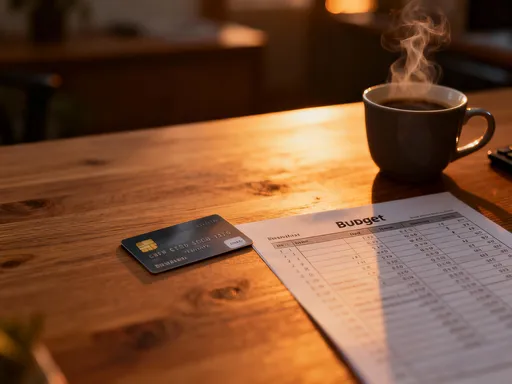
Effective financial management cannot exist without a clear understanding of where money goes. Without visibility into spending patterns, even the most well-intentioned budgets fall apart. Credit card statements, when reviewed regularly, offer one of the most detailed and accurate records of personal expenditure. Each transaction represents a data point that, when grouped and analyzed, reveals habits, priorities, and inefficiencies. This level of transparency is difficult to achieve with cash or debit card usage, where tracking requires manual effort and is often incomplete. With credit cards, the information is automatically compiled, making it easier to spot trends and make informed adjustments.
Consider a typical monthly review. A woman notices that her credit card statement shows recurring charges at coffee shops totaling over $150 per month—more than she realized. Another category, subscription services, includes several streaming platforms and apps she no longer uses. These insights allow her to make immediate changes: cutting back on daily caffeine runs and canceling unused memberships. The result? An extra $200 per month redirected toward savings or debt reduction. This process isn’t about deprivation; it’s about alignment. It ensures that spending reflects actual values and goals rather than convenience or habit. Over time, this practice strengthens financial discipline and reduces emotional or reactive purchases.
Spending awareness also plays a crucial role in preventing small leaks from becoming major financial drains. Many people underestimate how minor expenses—like convenience store snacks, delivery fees, or impulse online orders—accumulate over weeks and months. A single $5 snack may seem insignificant, but repeated five times a week becomes $100 a month, or $1,200 annually. By reviewing credit card activity weekly or biweekly, these patterns become visible early, allowing for timely corrections. Some find it helpful to categorize transactions manually or use budgeting apps that sync with their credit accounts to generate visual reports. These tools highlight which categories consume the largest share of income and whether those allocations align with personal priorities.
Beyond identifying overspending, tracking also supports proactive planning. When you know how much you typically spend on groceries, transportation, or dining out, you can set realistic limits and monitor progress throughout the month. This data-driven approach removes guesswork and emotional decision-making from budgeting. It also enables better forecasting. For example, if credit card history shows that holiday spending averages $800 annually, you can begin setting aside $65 per month starting in January, avoiding last-minute debt. In this way, spending awareness becomes the foundation for intentional financial behavior, transforming credit card statements from sources of anxiety into tools for empowerment and control.
Turning Credit into a Cash Flow Ally
One of the most practical advantages of credit card use is its ability to enhance cash flow management. Cash flow refers to the movement of money in and out of your accounts, and maintaining positive cash flow is essential for financial stability. Credit cards, when used responsibly, can act as a temporary bridge between income and expenses, allowing for smoother financial operations without the need to carry large balances in checking accounts. This flexibility is particularly valuable for individuals with irregular income streams or those managing multiple monthly obligations.
The mechanism behind this benefit lies in the grace period—a window of time, usually 21 to 25 days, between the end of a billing cycle and the payment due date. During this period, no interest is charged on new purchases as long as the previous balance was paid in full. This means you can make necessary purchases early in the cycle and retain access to your cash until the due date arrives. For example, if you pay your electric bill on the first of the month but receive your paycheck on the fifth, using a credit card ensures the payment clears on time while preserving your bank balance for other needs. This small timing advantage prevents late fees, maintains creditworthiness, and supports overall financial reliability.
Strategic users often align their credit card billing cycles with their pay schedules to maximize this benefit. If you’re paid biweekly, adjusting your card’s closing date so that the due date falls shortly after your second paycheck can provide optimal liquidity. This alignment ensures that funds are available when needed and reduces the risk of overdrawing accounts. Some financial institutions allow cardholders to choose their statement closing date, making this customization possible. Even without that option, you can manually track cycles and plan large purchases accordingly, ensuring that high-value transactions are made early in the cycle to extend the interest-free period as long as possible.
Another smart application of credit card float is its use as a short-term emergency buffer. While it’s always best to maintain a dedicated emergency fund, unexpected expenses do arise. In such cases, having a credit card with available credit can prevent the need to liquidate investments or dip into retirement savings. The key is to treat this as a true emergency tool, not a permanent solution. By paying off the charge in full when the next statement arrives, you avoid interest and maintain financial integrity. Additionally, some people use this float to temporarily park money in high-yield savings accounts or short-term investments, earning a small return during the grace period. While the gains may be modest, the principle demonstrates how disciplined credit use can contribute to wealth-building strategies rather than hinder them.
Building a Defense Against Debt Traps
Debt prevention is not just a financial goal—it’s a structural necessity for sustainable fund management. Credit cards, despite their benefits, carry inherent risks if not managed carefully. The most common path to credit card debt begins with small imbalances: carrying a partial balance, missing a payment, or underestimating interest charges. Over time, these missteps compound, leading to growing balances and increasing stress. To avoid this trajectory, it’s essential to build strong defensive habits that prioritize consistency, automation, and self-awareness.
One of the most effective safeguards is setting a personal spending limit well below your credit limit. Just because a card offers $10,000 in available credit doesn’t mean you should use anywhere near that amount. A general rule of thumb is to keep utilization below 30% of your total limit, and ideally under 10%, to support a healthy credit score. But beyond scoring, low utilization reduces the temptation to overspend. By mentally capping your monthly charges—say, at $1,000 even if your limit is higher—you create a psychological boundary that reinforces discipline. This self-imposed constraint turns the card into a controlled tool rather than an open-ended invitation to spend.
Automation is another critical defense mechanism. Manually paying bills invites the risk of forgetfulness, especially during busy or stressful periods. Setting up automatic payments for at least the minimum amount due eliminates this vulnerability. For even greater protection, configure your account to pay the full statement balance automatically each month. This ensures that no interest accrues and that your credit history remains strong. If your income varies, consider linking the payment to a specific date when funds are typically available, or use a buffer account to ensure sufficient coverage. Automation removes emotional decision-making from the equation and establishes a reliable financial rhythm.
Equally important is recognizing early warning signs of dependency. These may include using one card to pay another, consistently carrying a balance despite intending to pay in full, or feeling anxious when reviewing statements. These signals indicate that the relationship with credit has shifted from strategic to reactive. When such patterns emerge, it’s wise to pause and reassess. This might involve freezing the card temporarily, switching to cash or debit for certain categories, or seeking guidance from a financial counselor. The goal is not perfection but awareness and correction. By designing systems that reduce temptation and increase accountability, you build resilience against debt before it takes hold.
Reward Optimization Without Overspending
Rewards programs are among the most attractive features of modern credit cards, offering cashback, travel points, or statement credits for everyday spending. However, these benefits only add value when earned without altering spending behavior. The danger lies in inflating purchases to chase rewards—a practice that often results in net losses. For example, spending $200 on a product you don’t need just to earn $20 in points means you’ve lost $180. True reward optimization occurs when you earn benefits on purchases you would have made anyway, turning routine expenses into sources of value.
To maximize rewards wisely, start by selecting a card that aligns with your actual lifestyle. If you spend heavily on groceries and gas, a card offering 3% cashback in those categories makes sense. If you travel occasionally, a travel rewards card with no annual fee and broad redemption options may be more practical than a premium card with high fees. The key is matching the card’s strengths to your real spending patterns, not reshaping your habits to fit the card. This requires honest assessment: reviewing past statements to identify top spending categories and choosing a card that rewards those areas without encouraging excess.
Another strategy is to use multiple cards for different purposes. One card might offer bonus points on dining, another on utilities, and a third on online shopping. By assigning each card to its optimal category, you can capture more value without increasing overall spending. The discipline comes in tracking which card to use where and ensuring that each balance is paid in full. This approach demands slightly more effort but can yield meaningful returns over time—especially when combined with annual bonuses or sign-up incentives that require meeting minimum spend thresholds through normal purchases.
It’s also important to avoid the trap of treating rewards as income. While cashback or travel perks can feel like free money, they are better viewed as discounts on existing expenses. Relying on rewards to fund purchases or justify spending distorts financial priorities and can lead to overspending. Instead, consider rewards as a bonus that can be directed toward savings goals, charitable donations, or occasional treats—without altering your core budget. When managed this way, credit card rewards become a sustainable benefit rather than a hidden cost.
Integrating Credit Use with Broader Financial Goals
Credit card usage should not exist in isolation; it must be integrated into a comprehensive financial plan. When aligned with savings targets, investment strategies, and emergency preparedness, credit becomes a supportive element rather than a distraction. The most effective financial systems treat all components—checking accounts, savings vehicles, debt management, and credit—as interconnected parts of a unified whole. In this framework, credit cards serve as transactional tools that enhance visibility, improve timing, and generate value, all while supporting larger objectives.
For example, someone saving for a home down payment might use a cashback credit card for daily expenses and route the rewards directly into a dedicated savings account. Over a year, $300 in accumulated cashback becomes part of the growing fund, accelerating progress without requiring additional income. Similarly, parents saving for college could use a card that earns points redeemable for tuition or books, effectively reducing education costs through routine spending. The key is intentionality: deciding in advance how rewards will be used and ensuring that card activity supports, rather than competes with, long-term goals.
Another integration strategy involves using credit card spending to track progress toward specific targets. Some budgeting platforms allow users to link financial goals to spending categories, showing how each purchase contributes to or detracts from a larger objective. Seeing that a $50 clothing purchase delays a vacation fund by a week can be a powerful motivator for mindful spending. This level of feedback transforms abstract goals into tangible outcomes, reinforcing disciplined behavior.
Emergency preparedness also benefits from strategic credit use. While cash reserves are ideal, having a credit card with available limit provides a secondary layer of protection. The important distinction is that this access is reserved for genuine emergencies—car repairs, medical bills, urgent travel—not routine expenses. By keeping the card inactive for daily use and monitoring it separately, you preserve its utility for true crises. This dual approach—building savings while maintaining responsible credit access—creates a robust safety net that supports long-term financial resilience.
Advanced Tactics for Long-Term Financial Resilience
As financial confidence grows, more sophisticated strategies can be introduced to enhance control and efficiency. These advanced tactics go beyond basic budgeting and reward collection, focusing on systemic optimization and credit health. They are not meant for beginners but for those who have established solid habits and seek to refine their approach for lasting stability.
One such tactic is the strategic use of multiple credit cards for category-specific spending. By assigning different cards to different expense types—groceries, utilities, travel, online shopping—you gain finer control over budgeting and rewards. This method also helps isolate spending, making it easier to identify changes or anomalies. For instance, if your utilities card suddenly shows a spike, you can investigate immediately without sifting through unrelated transactions. Additionally, spreading purchases across multiple cards helps maintain low utilization on each, which supports a stronger credit profile.
Balance transfers, when used wisely, can also play a role in debt management. If you carry a balance on a high-interest card, transferring it to a card with a 0% introductory APR can save hundreds in interest charges. However, this strategy requires discipline: the transferred balance must be paid off before the promotional period ends, and no new charges should be added. Fees typically apply (around 3% to 5% of the transfer amount), so the math must make sense. When executed correctly, this tactic can accelerate debt repayment and reduce financial stress.
Maintaining excellent credit health is another cornerstone of long-term resilience. On-time payments, low utilization, and a long credit history all contribute to a strong score, which opens doors to better loan terms, lower insurance premiums, and higher credit limits. Regularly checking your credit report for accuracy ensures that errors don’t undermine your efforts. Some credit cards offer free credit score monitoring, providing ongoing feedback and motivation to stay on track.
Ultimately, the most powerful shift is mental: viewing credit not as free money, but as a disciplined extension of your financial ecosystem. It’s a tool that, when respected and managed with care, can support stability, growth, and peace of mind. The journey from financial stress to confidence doesn’t require drastic changes—just consistent, thoughtful choices. By mastering credit card fund management, you gain not only control over your money but also greater freedom to focus on what truly matters.