How Better Balance Transformed My Daily Life – And Can Help You Stay Strong
I never thought much about balance until I started feeling wobbly on walks. Turns out, it’s not just about avoiding falls—it’s a core part of staying healthy as we age. Poor balance quietly increases the risk of injuries and limits independence. The good news? Simple, everyday moves can strengthen it. I tested small changes myself and noticed real improvements. Let’s explore how better balance can protect your body and boost overall wellness—naturally and safely.
Why Balance Matters More Than You Think
Beyond the image of standing on one foot, balance is a dynamic, ongoing process that allows the body to maintain control during movement and stillness. It is not a single ability but a complex coordination of sensory input, muscular response, and neurological processing. When you walk up stairs, reach for a high shelf, or simply shift positions while standing, your body is constantly making micro-adjustments to keep you upright and stable. These adjustments are guided by three primary systems: vision, the vestibular system in the inner ear, and proprioception—the body’s sense of where its parts are in space. Together, they form a feedback loop that helps the brain understand orientation and respond to changes in terrain or posture.
The role of balance extends far beyond athletic performance or physical agility. For adults over 30, especially women managing household responsibilities and caregiving roles, balance is a silent guardian of daily function. As we age, the efficiency of these sensory systems gradually declines. The inner ear’s ability to detect motion slows, vision may become less sharp, and nerve signals from the feet and joints weaken. These changes often go unnoticed because the body compensates—until one day, a missed step or slippery surface leads to a stumble. By then, the decline has already taken root. Studies show that balance begins to deteriorate as early as the fourth decade of life, with measurable changes in stability appearing between ages 40 and 50.
One of the most critical reasons balance matters is its direct link to fall prevention. Falls are a leading cause of injury among adults over 50, often resulting in fractures, particularly in the hip and wrist, and sometimes requiring hospitalization or long-term rehabilitation. A fractured hip, for example, can significantly reduce mobility and independence, increasing reliance on others for daily tasks. But falls are not an inevitable part of aging. Research from the Centers for Disease Control and Prevention (CDC) indicates that improved balance can reduce fall risk by up to 30%. This means that proactive balance training is not just about physical performance—it’s a preventive health strategy that preserves autonomy and quality of life.
Moreover, balance is deeply tied to confidence in movement. When you feel steady on your feet, you’re more likely to engage in physical activity, run errands, play with grandchildren, or participate in community events without fear. This sense of security supports mental well-being, reducing anxiety related to mobility. The foundation of balance is not built overnight, but the systems that support it respond well to consistent, mindful practice. Unlike intense workouts that may feel overwhelming, balance exercises can be gentle, brief, and integrated into daily routines. The key is awareness—recognizing that every time you stand, shift weight, or walk, you have an opportunity to strengthen your body’s natural stability.
The Hidden Connection Between Balance and Long-Term Health
Beyond preventing falls, balance serves as an early indicator of overall physiological health. Subtle changes in balance can reflect underlying shifts in neurological function, muscular strength, or joint integrity—often before other symptoms appear. For instance, difficulty maintaining a tandem stance (standing heel-to-toe) may signal early declines in proprioception or nerve conduction, which are associated with peripheral neuropathy, a condition sometimes linked to diabetes or vitamin deficiencies. Similarly, unexplained dizziness or imbalance when turning the head could point to vestibular dysfunction, which, if addressed early, can be managed effectively through targeted exercises.
There is also growing evidence linking balance to cognitive health. The brain regions responsible for balance—particularly the cerebellum and brainstem—overlap with those involved in attention, coordination, and motor planning. A study published in the journal Neurology found that individuals with poor balance in midlife were more likely to show signs of cognitive decline later on. While correlation does not imply causation, researchers suggest that the neural pathways supporting balance may also support mental sharpness. In other words, training your body to stay steady may also help keep your mind agile. This connection is especially relevant for women in their 40s and 50s, who may be navigating hormonal changes, sleep disruptions, and increased stress—all of which can subtly affect both physical and mental performance.
Bone and joint health are also closely tied to balance. Osteoporosis, a condition characterized by reduced bone density, increases fracture risk, particularly in postmenopausal women. While calcium and vitamin D are commonly emphasized, muscle strength and coordination play a crucial role in protecting bones. Strong stabilizing muscles around the hips, ankles, and core help absorb impact and prevent falls. Additionally, joint stability—especially in the knees and lower back—depends on balanced muscle activation. When one muscle group is overused and another underused, imbalances develop, leading to strain and discomfort. Regular balance training promotes even muscle engagement, reducing wear and tear on joints.
Importantly, balance is not just a concern for older adults. Sedentary lifestyles, prolonged sitting, and repetitive movements affect balance at any age. Children and younger adults who spend hours at desks or on screens may develop poor postural habits that carry into later life. The earlier balance is prioritized, the more resilient the body becomes over time. Even women in their 30s can benefit from integrating balance awareness into daily movement. The goal is not perfection but progress—building a foundation that supports lifelong mobility and independence. By viewing balance as a vital sign of health, much like blood pressure or cholesterol, individuals can take proactive steps to maintain it before problems arise.
Common Habits That Secretly Weaken Your Balance
Modern lifestyles often work against natural balance development. One of the most pervasive culprits is prolonged sitting. Many women in the 30–55 age group spend hours seated—at desks, in cars, or on couches—leading to weakened core and leg muscles. When muscles are not regularly engaged, they lose tone and responsiveness. The glutes, calves, and deep abdominal muscles, which are essential for stability, become underactive. Over time, this muscular inactivity impairs the body’s ability to make quick adjustments during movement, increasing the risk of missteps.
Another overlooked factor is footwear. While comfort is often prioritized, many everyday shoes—such as flat sandals, slippers, or worn-out sneakers—offer little arch support or heel stability. Walking in unsupportive footwear reduces sensory feedback from the feet, weakening the connection between the soles and the brain. This diminished feedback makes it harder for the body to detect subtle shifts in surface texture or incline. Over time, reliance on unstable shoes can dull proprioception, making balance less automatic. Even high heels, when worn frequently, alter posture and shift weight forward, forcing the body to compensate in ways that strain the knees and lower back.
The overuse of stable, predictable surfaces also plays a role. Most daily movement occurs on flat, even ground—sidewalks, hardwood floors, or carpeted hallways. While convenient, these environments do not challenge the body’s stabilizing systems. In contrast, natural terrains like grass, gravel, or uneven trails require constant micro-adjustments, which strengthen balance reflexes. Without exposure to varied surfaces, the body’s stabilization skills become underdeveloped. This is why someone might feel unsteady when walking on a rocky path or stepping off a curb unexpectedly.
Screen-focused routines further contribute to balance decline. Hours spent looking down at phones or forward at computer screens limit head movement and visual tracking—both of which are essential for spatial orientation. The vestibular system relies on head motion to calibrate balance, and restricted neck mobility can impair this function. Additionally, poor posture from screen use—rounded shoulders, forward head position—shifts the body’s center of gravity, making it harder to maintain equilibrium. Real-life scenarios, such as reaching for a pot on a high shelf while standing on a step stool, require coordinated head, eye, and body movement. If these skills are underused, the risk of losing balance increases, even during routine tasks.
Small Shifts That Make a Big Difference
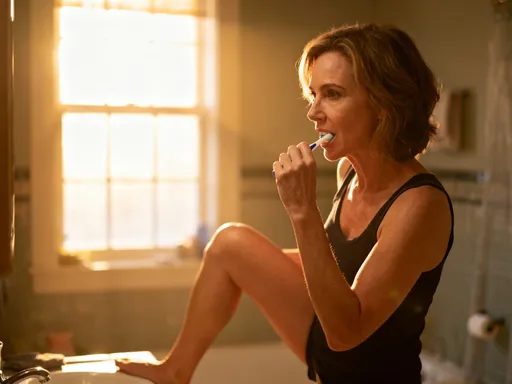
The good news is that balance can be improved with minimal effort and no special equipment. Small, consistent changes integrated into daily life can yield noticeable results within weeks. One of the simplest practices is standing on one leg while performing routine activities—such as brushing teeth, waiting for the kettle to boil, or talking on the phone. This exercise activates the stabilizing muscles in the foot, ankle, and core. Starting with 15–20 seconds per side and gradually increasing duration builds endurance and confidence. As balance improves, individuals often report feeling steadier when walking or climbing stairs.
Walking heel-to-toe along a straight line—a movement known as tandem gait—can also be practiced at home. This mimics the sobriety test used by law enforcement but serves as a powerful tool for enhancing coordination. Practicing this for 20–30 seconds daily helps train the body to maintain alignment and control. Another effective habit is stepping up and down from a low step or curb with deliberate control. Instead of rushing, focus on pressing through the heel, engaging the glutes, and maintaining an upright posture. These micro-challenges stimulate the neuromuscular system, reinforcing balance pathways in the brain.
Mindfulness during movement amplifies these benefits. Simply paying attention to how your feet feel on the ground, how your weight shifts from side to side, or how your body responds to turns and stops enhances body awareness. This mental engagement strengthens the connection between the brain and muscles, making movements more precise. Over time, this awareness translates into smoother, more confident motion. Many women report improved posture, reduced lower back discomfort, and greater ease in carrying groceries or playing with children after just a few weeks of mindful movement.
Another easy addition is standing up from a chair without using the arms. This simple act strengthens the quadriceps and glutes while challenging balance. Performing five controlled sit-to-stand repetitions daily can improve leg strength and stability. These small shifts do not require extra time in the day but transform ordinary moments into opportunities for strengthening. The cumulative effect is a body that feels more grounded, capable, and resilient.
Simple Exercises Anyone Can Start Today
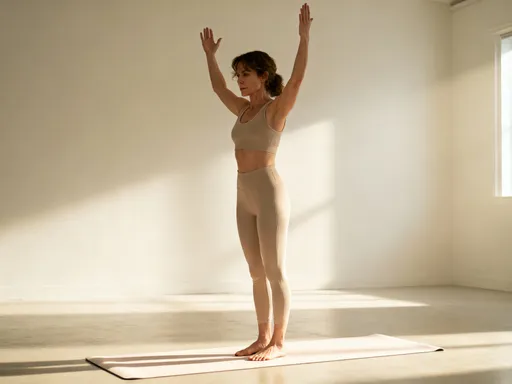
For those ready to take a more structured approach, three foundational exercises provide a safe and effective starting point. The first is the tandem stance, where one foot is placed directly in front of the other, heel to toe, arms at the sides or lightly touching a wall for support. Holding this position for 20–30 seconds engages the calf muscles, improves ankle stability, and enhances alignment. As balance improves, the arms can be released, and eyes closed to increase difficulty—though this should only be attempted with a stable surface nearby.
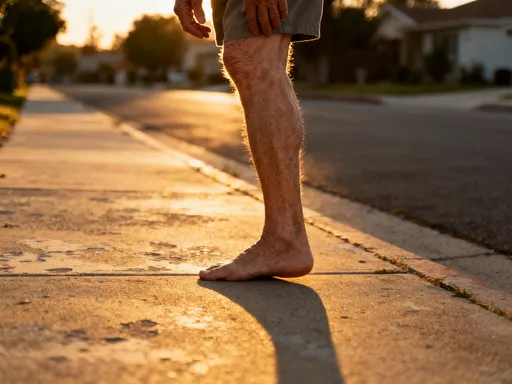
The second exercise is the single-leg stand. Standing on one leg, with the opposite foot lifted just off the ground, activates the hip abductors and core stabilizers. Beginners can start with 15 seconds per leg, gradually building to one minute. To improve form, focus on keeping the hips level and the standing knee slightly bent—not locked. If balance is a concern, perform the exercise near a countertop or sturdy chair. Progression includes reducing hand support or performing the exercise on a soft surface like a folded towel, which increases instability and thus training effect.
The third essential exercise is the sit-to-stand drill. Sitting in a firm chair with feet flat on the floor, stand up without using the hands, then sit back down with control. This movement strengthens the major leg muscles and improves functional mobility. Start with five repetitions, ensuring the motion is slow and steady. As strength increases, the number of repetitions can be increased or a lower chair used to intensify the challenge. These exercises should be performed at least three times a week, ideally daily, for best results.
Safety is paramount. All exercises should be done in a clear space, with a wall or sturdy furniture nearby for support. Proper footwear—such as supportive sneakers—should be worn to prevent slipping. Individuals with existing health conditions, such as arthritis or vertigo, should modify movements as needed and consult a healthcare provider before beginning. The goal is not intensity but consistency. Even two to three minutes a day can lead to meaningful improvements in balance and confidence over time.
How Daily Movement Adds Up to Real Protection
Beyond immediate stability, regular balance training contributes to long-term disease prevention. Stronger muscles, particularly in the legs and core, support joint health and reduce the risk of osteoarthritis. Improved circulation from consistent movement enhances oxygen delivery to tissues, promoting healing and reducing inflammation. These benefits extend beyond the musculoskeletal system—better balance supports cardiovascular health by encouraging more physical activity, which in turn helps manage blood pressure and weight.
Enhanced coordination also enables a more active lifestyle. When you feel steady, you’re more likely to take walks, garden, dance, or participate in group fitness classes. This increased activity reduces sedentary time, a known risk factor for chronic conditions such as type 2 diabetes and heart disease. The ripple effect is powerful: better balance leads to more movement, which leads to improved strength, energy, and mood. This positive cycle reinforces itself, making healthy habits easier to maintain.
Perhaps most importantly, balance training fosters independence. The ability to move safely and confidently allows women to continue managing households, traveling, and engaging in meaningful activities without fear of falling. This sense of autonomy is deeply tied to emotional well-being. Studies show that individuals who feel physically capable report higher life satisfaction and lower rates of depression. By investing in balance, you are not just protecting your body—you are safeguarding your freedom and quality of life.
Prevention, in this context, is far more effective than intervention. Once a fall occurs, recovery can be long and challenging. But by building resilience through daily practice, you create a buffer against future risks. These habits are sustainable, requiring no gym membership or special equipment. They fit naturally into the rhythm of daily life, making them accessible to anyone, regardless of fitness level. The message is clear: small efforts, consistently applied, lead to lasting change.
Staying Safe and Knowing When to Seek Help
While self-guided balance practice is beneficial for most, individual needs vary. It is important to recognize that balance issues can sometimes indicate underlying medical conditions. Frequent stumbling, unexplained dizziness, or a persistent feeling of unsteadiness during routine tasks—such as walking, turning, or standing up—should not be ignored. These symptoms may be related to inner ear disorders, neurological conditions, medication side effects, or vision problems. Consulting a healthcare provider is essential for proper evaluation and guidance.
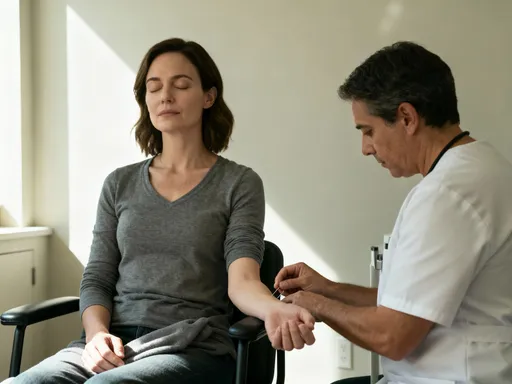
Before beginning any new exercise routine, especially if you have a history of falls, joint pain, or chronic illness, it is wise to seek professional advice. A physical therapist can assess your balance, identify specific weaknesses, and design a personalized program. Some community centers and clinics offer balance screening programs or group classes tailored to older adults. These resources provide both instruction and social support, making the process more engaging and effective.
At-home practice should always prioritize safety. Exercises should be performed in a clear, well-lit area with stable support nearby. Avoid slippery floors or uneven surfaces. If dizziness or discomfort occurs, stop immediately and rest. Progress should be gradual—there is no benefit in pushing too hard. The goal is steady improvement, not speed or intensity.
In closing, balance is more than a physical skill—it is a lifelong investment in strength, independence, and well-being. It reflects how well your body and mind work together to navigate the world. By making small, intentional changes today, you build a foundation for a safer, more confident tomorrow. Whether you’re chasing a grandchild, walking through a park, or simply moving through your day, better balance means greater freedom. And that is a promise worth keeping.