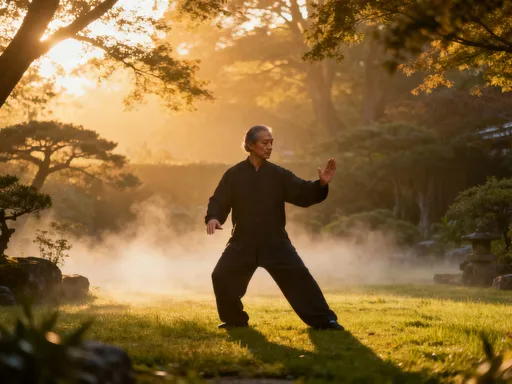
How I Recharged My Body Fast with Yoga, Meditation, and a Little TCM Wisdom
Ever feel like your body’s running on empty, no matter how much you rest? I’ve been there—exhausted, unfocused, and stuck in recovery mode. That’s when I turned to a mix of yoga, meditation, and traditional Chinese medicine principles. Not magic, just mindful shifts. In just days, my energy rebounded. This isn’t about extreme fixes; it’s about smart, quick resets that work with your body, not against it. Let me walk you through what actually helped.
The Burnout Breakdown: Why Quick Recovery Matters
In today’s world, burnout isn’t a rare condition—it’s a daily reality for many women juggling family, work, and personal responsibilities. The constant demands often leave little room for rest, and even when sleep happens, true recovery doesn’t always follow. Fatigue becomes chronic, not because of one long day, but because the body never gets a chance to reset. Modern science confirms what traditional healing systems have long known: when stress becomes relentless, the nervous system stays in a heightened state, cortisol remains elevated, and the body’s ability to repair tissues, digest food, and regulate mood is compromised.
Traditional Chinese Medicine (TCM) offers a unique lens on this modern dilemma. It views the body as an interconnected network of energy pathways, where balance between Yin and Yang, and the free flow of Qi (vital energy), determines health. When stress accumulates, Qi becomes stagnant, especially in the liver and spleen meridians, leading to fatigue, irritability, and digestive discomfort. Over time, this imbalance manifests not just emotionally but physically—tight shoulders, disrupted sleep, and a sense of heaviness that no amount of caffeine can fix. The issue isn’t laziness or poor time management; it’s a biological mismatch between how we live and how our bodies are designed to function.
What makes this especially relevant for women over 30 is the natural shift in hormonal balance that occurs with age. Perimenopause and menopause bring changes that can amplify fatigue, making recovery even more critical. Yet, many women dismiss their exhaustion as ‘just part of getting older.’ But it doesn’t have to be. The body is remarkably resilient when given the right support. Quick recovery isn’t about adding more to the day—it’s about working with your body’s natural rhythms to restore energy efficiently. This means shifting from a mindset of pushing through to one of strategic replenishment.
Fast, sustainable recovery is no longer a luxury—it’s a necessity. With packed schedules and limited downtime, waiting weeks to feel better isn’t practical. What’s needed are tools that fit into real life: short, effective, and gentle enough to practice daily without strain. Yoga, meditation, and simple TCM-inspired habits offer exactly that. They don’t require expensive equipment or hours of commitment. Instead, they focus on alignment—between breath and movement, mind and body, effort and ease. When practiced consistently, even in small doses, they can interrupt the cycle of fatigue and initiate a natural return to vitality.
Yoga That Works—Not Just Stretches, But Reset
Yoga is often seen as a fitness trend, but its true power lies in restoration. For women managing household duties and emotional labor, the idea of a high-intensity session may feel overwhelming. The good news is that recovery-focused yoga doesn’t demand flexibility or athleticism. It asks only for presence. Gentle poses, held for a few breaths, can release deep tension, improve circulation, and signal safety to the nervous system. These aren’t performance poses—they’re invitations to pause, breathe, and reset.
One of the most effective poses for immediate relaxation is **Child’s Pose (Balasana)**. This simple kneeling posture gently stretches the lower back, hips, and thighs while encouraging deep, diaphragmatic breathing. When the forehead rests on the mat, it activates the vagus nerve, which helps shift the body from ‘fight-or-flight’ to ‘rest-and-digest’ mode. For women who spend long hours standing or caring for others, this pose offers a rare moment of inward focus. Holding it for just three to five minutes can reduce muscle tension and calm a racing mind.
Another powerful reset is **Legs-Up-the-Wall Pose (Viparita Karani)**. Lying on your back with legs resting vertically against a wall, this pose reverses blood flow, reducing swelling in the legs and improving circulation to the pelvic region. It’s particularly helpful after long days on your feet or during times of hormonal fluctuation. The gentle inversion also supports lymphatic drainage and calms the nervous system. Practicing this for 10–15 minutes in the evening can significantly improve sleep quality, a common struggle for women in midlife.
From a TCM perspective, these poses do more than stretch muscles—they influence the flow of Qi along key meridians. Child’s Pose, for example, gently compresses the kidney and bladder meridians, which are associated with energy reserves and stress resilience. Legs-Up-the-Wall supports the spleen and liver meridians, crucial for digestion and emotional regulation. When energy flows freely, the body can repair itself more efficiently. The key is consistency, not duration. Just 10–15 minutes of intentional movement each day can create a cumulative effect, reducing baseline stress and improving overall energy.
Meditation Beyond Silence: A Tool for Physical Healing
Meditation is often misunderstood as a mental exercise with no physical benefit. But research shows it directly impacts the body’s recovery processes. When practiced regularly, meditation lowers cortisol, reduces inflammation, and improves heart rate variability (HRV)—a key marker of resilience. For women managing chronic fatigue, this isn’t just about feeling calmer; it’s about creating internal conditions where healing can occur.
One of the most accessible techniques is **diaphragmatic breathing**, also known as belly breathing. Unlike shallow chest breathing, which signals stress, deep abdominal breaths activate the parasympathetic nervous system. To practice, lie down or sit comfortably, place one hand on the belly, and inhale slowly through the nose, allowing the abdomen to rise. Exhale fully through the mouth. Repeating this for five minutes can lower blood pressure and reduce muscle tension. It’s especially effective when done before bed, helping transition the body into restful sleep.
Another powerful method is the **4-7-8 breathing technique**. Inhale for four counts, hold for seven, and exhale slowly for eight. This pattern extends the exhale, which naturally calms the nervous system. Studies have shown it can reduce anxiety and improve sleep onset. For women experiencing night awakenings or restless sleep, this simple tool can be a game-changer. It requires no special training—just a quiet moment and willingness to focus on the breath.
Beyond physiological benefits, meditation enhances body awareness. Many women carry tension in the jaw, shoulders, or hips without realizing it. Mindfulness practice helps detect these patterns early, allowing for timely release. Over time, this awareness prevents minor tension from turning into chronic pain. It also fosters a kinder relationship with the body—one that listens rather than pushes. This shift in mindset is essential for sustainable recovery. Instead of asking, “What can I do today?” meditation encourages the question, “What does my body need right now?” That small change in perspective can prevent burnout before it starts.
TCM-Inspired Habits: Small Shifts, Faster Results
Traditional Chinese Medicine doesn’t rely on dramatic interventions. Instead, it emphasizes daily habits that support the body’s natural rhythms. These aren’t rigid rules but gentle practices that, over time, create significant change. For women seeking faster recovery, integrating a few TCM-inspired habits can make a noticeable difference without disrupting routine.
One foundational principle is the importance of **warmth** in the digestive system. TCM teaches that the spleen, responsible for transforming food into energy, functions best with warmth. Cold foods and drinks, especially first thing in the morning, are believed to slow this process, leading to fatigue and bloating. A simple shift—starting the day with warm water, perhaps with a slice of lemon or ginger—can support digestion and boost energy. This isn’t about eliminating cold foods entirely, but about timing and balance. Warm meals at lunch and dinner, especially soups and stews, are easier to digest and provide steady nourishment.
Another key concept is avoiding “dampness,” a TCM term for sluggishness caused by poor digestion and fluid retention. Foods like dairy, sugar, and processed grains are said to contribute to dampness, which manifests as brain fog, weight gain, and low motivation. While complete elimination isn’t necessary, reducing these foods during recovery periods can help the body reset. Instead, emphasizing whole grains, cooked vegetables, and lean proteins supports clear energy flow.
Timing also matters. TCM maps the body’s energy cycles throughout the day. For example, the spleen is most active between 9 a.m. and 11 a.m., making this an ideal window for focused work or light movement. The liver’s energy peaks between 1 a.m. and 3 a.m., which is why poor sleep during these hours may signal emotional or physical stagnation. Aligning daily routines with these cycles—eating mindfully, resting when needed, and avoiding late-night screen time—can enhance recovery. A short walk after dinner, for instance, supports digestion and helps regulate blood sugar, promoting better sleep.
Putting It Together: My 3-Day Quick Recovery Routine
When I felt completely drained after a particularly busy week, I committed to a three-day reset using yoga, meditation, and TCM-aligned choices. The goal wasn’t perfection but consistency. Each day followed a simple structure that fit into my existing routine without adding stress.
Each morning began with **warm lemon water** and five minutes of diaphragmatic breathing. This gentle start signaled to my body that the day would be different. Within 30 minutes of waking, I practiced a 10-minute yoga sequence: Cat-Cow to warm the spine, Child’s Pose for release, and Legs-Up-the-Wall to calm the system. These poses required no special equipment and could be done in pajamas before the household woke up.
Midday included a **breath reset**. Whether I was at home or running errands, I paused for two minutes of 4-7-8 breathing. This brief pause reduced mental clutter and prevented afternoon energy crashes. I also made a point to eat a warm, balanced lunch—often soup or a grain bowl—avoiding cold salads or sugary snacks that led to sluggishness.
In the evening, I prioritized wind-down time. After dinner, a 15-minute walk around the block supported digestion and provided light movement. Before bed, I returned to Legs-Up-the-Wall for 10 minutes, followed by a short meditation focusing on body scanning—mentally checking in with each area for tension. Sleep improved noticeably by the second night, and stiffness in my lower back began to ease.
By the end of the third day, my energy felt more stable. I wasn’t suddenly superhuman, but the fog had lifted. I could focus better, react more calmly to stress, and felt genuinely rested. The most surprising benefit was emotional clarity—small irritations that once felt overwhelming now seemed manageable. This routine wasn’t about doing more; it was about doing less, but with greater intention. Readers can adapt this plan to their own lives—perhaps starting with just one day or focusing on a single habit like warm morning water or evening breathing.
Why It Works: The Science Meets Tradition
At first glance, TCM concepts like Qi and meridians may seem abstract. But modern science offers compelling parallels. Qi flow closely resembles the regulation of the autonomic nervous system. When Qi is balanced, the body efficiently switches between activity and rest—just as a healthy nervous system balances sympathetic and parasympathetic states. Practices that support Qi, such as yoga and meditation, are now proven to improve heart rate variability, a key indicator of resilience.
Studies have shown that regular yoga practice reduces inflammatory markers like C-reactive protein and lowers cortisol levels. Meditation has been linked to increased gray matter in brain regions associated with emotional regulation and self-awareness. These aren’t mystical effects—they’re measurable physiological changes. When stress hormones decrease, the body can redirect energy toward repair, immunity, and digestion. This is the science behind feeling ‘lighter’ after a few days of mindful practice.
TCM’s emphasis on digestion aligns with modern gut health research. The gut is now recognized as a ‘second brain,’ influencing mood, energy, and immunity. Warm, easily digestible foods reduce the energy burden on the digestive system, freeing up resources for recovery. Avoiding ‘dampness’-causing foods mirrors current advice to limit sugar and processed foods for metabolic health. Even the timing of meals and activities reflects circadian rhythm science, which shows that aligning behavior with natural body clocks improves sleep, hormone balance, and cognitive function.
The beauty of this approach is that it doesn’t require choosing between tradition and science. They converge on the same truth: the body heals best when supported, not pushed. Quick recovery isn’t about shortcuts—it’s about smart alignment. When ancient wisdom is validated by modern research, it becomes not just plausible, but powerful.
Making It Last: From Quick Fix to Sustainable Practice
A three-day reset can spark change, but lasting wellness comes from integration. The goal isn’t to maintain a perfect routine but to build habits that endure. One effective strategy is **habit stacking**—linking a new practice to an existing one. For example, doing two minutes of breathing right after brushing your teeth makes it more likely to stick. Another is creating environment cues: keeping a yoga mat visible or placing a meditation app on the home screen.
Consistency matters more than duration. Five minutes of daily meditation is more beneficial than one hour once a week. The key is showing up, even when energy is low. On tough days, a single pose or three deep breaths still count. This flexibility prevents burnout and fosters self-compassion. Recovery isn’t a performance; it’s a practice of listening and responding.
Over time, these small actions rewire the nervous system, making it easier to stay calm under pressure. Women who once felt constantly drained begin to notice moments of ease—clearer mornings, deeper sleep, more patience with family. These aren’t small wins; they’re signs of a body returning to balance. The ultimate goal isn’t to eliminate fatigue entirely—that’s unrealistic—but to recover faster and with less effort.
True wellness isn’t about doing more. It’s about aligning with your body’s natural rhythm. Yoga, meditation, and TCM-inspired habits offer a gentle, effective path to recharge—not just physically, but emotionally and mentally. This isn’t a cure-all, but a proven, natural approach that respects the complexity of the human body. Always consult a healthcare provider before starting new wellness practices, especially with existing health conditions. But if you’re tired of pushing through exhaustion, it may be time to try a different kind of reset—one that actually works.